
The Transition to Elder(ly)
On a Rite of Passage seldom recognized or appreciated


Ma? Will I ever see You again - so that I can beg forgiveness for all the pain I caused you? And will You remind me of all the good things I did for you - that I have forgotten?
The day after getting fired, and it has been the best I’ve felt in a long time…
It’s been a minute since last I wrote. It’s been nagging at me for some time – since the last time I ‘stacked something – but life seems to have got in the way – an incredibly tortuous job I just lost got in the way. For me, “writer’s block” is always of the more mundane variety – my preferred “slow morning” writing ritual and early morning (typically positive / hopeful) frame of mind usurped by an incredibly stressful and demanding (and demoralizing) corporate (agency) job. For the (single) blessing it provided, it proved to come at a very high cost – my creative impulse and solace – and my peace. Today as I walked (strolled) with Ike through the exquisite nature park not far from the house, I breathed deeply with relief and gratitude. Gratitude that the stress and indignities of that job were no longer my daily plague.
My old adage of “I can do almost anything for six months if I have to” has once again proved to be a good measure of my endurance and resilience – and a prescient measure of how long these things (tests of patience?) typically last for me. It harkens-back to how I thought about getting-through periods like “boot camp” in the military - or other arduous or difficult lengths of time. Each of the last two jobs I’ve had lasted around six months each. Each brought with them their own particular collection of ordeals, trials, and “petty tyrants” (H/T Carlos Castaneda and “The Teachings of Don Juan”). Each brought with them their own particular “humiliation rituals.”
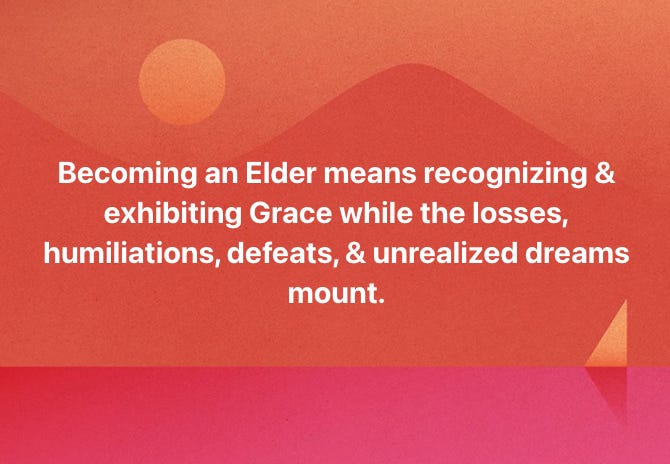
We will be increasingly met with petty tyrants - and their humiliation rituals - if we allow it. If we continue to expose ourselves to them – continue to justify their abuse of us for the corporate paycheck. I think the salient lesson (at least for me) is to get away from them (sociopaths) - rather than hang-around and patiently wait for the opportunity to "defeat them." Maybe an aspiring "sorcerer" can eventually make use of such lessons and opportunities, but for me, it's all about getting away from these people and this psychotic corporate culture of exploitation, disrespect, indignities, and ritualistic humiliations. It's a self-preservation, health, and wellness imperative. That these humiliation rituals are becoming increasingly modus operandi, and are being perpetuated at scale in our society – is an analysis worthy of an entire essay of its own…
I went from one manufacturing / factory job in Asheville, NC – which was only ever supposed to be a “gap job” or temporary job - to landing a 100% remote role for a mid-size (“remote first!”) digital agency based in Boston. Finding another corporate job – with the corporate paycheck again AND it being 100% remote was just too good to be true. My search for just such a job over the previous year or so – since having lost my last one – was surely a stroke of good fortune. It was short lived.
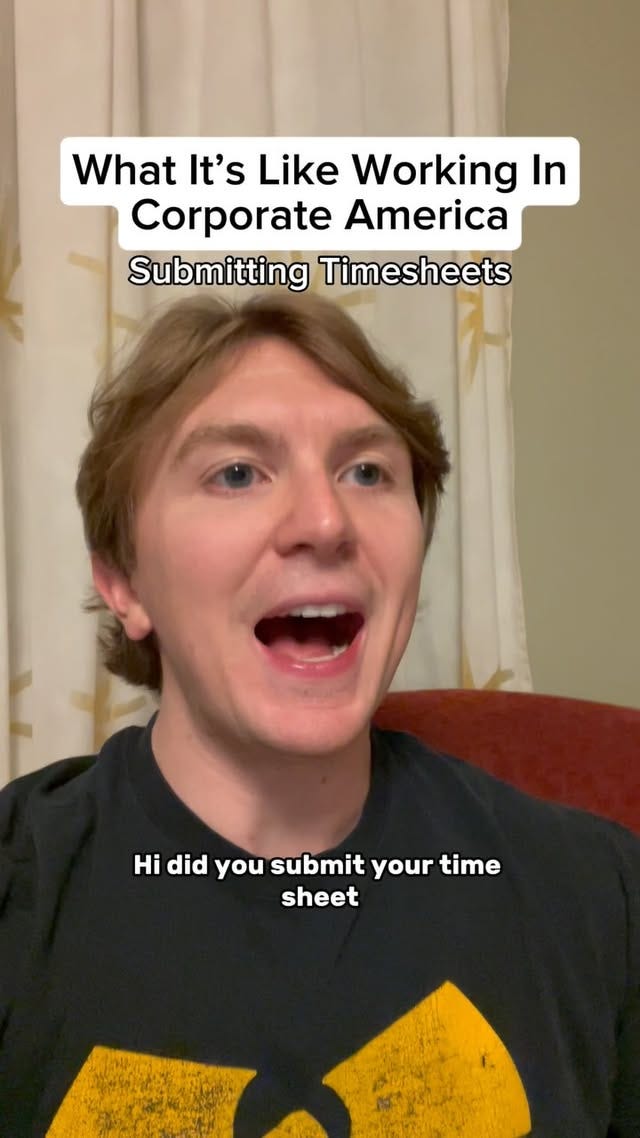
If you don’t work in corporate America – or never have – what I’m about to say won’t make much sense, although it should be readily apparent: Corporate America is Totalitarian Technocratic Fascist. Period. It’s not coming – it’s here. It was snuck-in by the “slight of hand” of neoliberalism (corporatism) - and you realize this is not a partisan development - it’s uniparty. While some may say things like Agenda 21 / 2030, “inclusivity,” CGT, CRT, UN SDGs, DEI, CEI, JEDI, NGOs, PACs, “climate change,” “The Great Reset,” CLL, the PMC, NACs, “15 Minute Cities,” the biodigital convergence, “billionaire philanthropy” etc. are all more “left-leaning,” the fact of the matter is that the proverbial winds blow wherever the money (and power) is and goes. ESG may be waning in popularity (in the board rooms), but the allure of programmable currency (“social credit score”) is on the rise - as well as AI controlled government. P3 is just euphemism for fascism. Ironic that those who champion all the “social justice” acronyms mentioned above are the biggest champions (dupes) of technocratic fascism. But it really doesn’t matter, as the technocratic fascists (NWO) have bankrolled all “sides” and their agenda will move forward regardless. Corporatism (“left”) or oligarchy (“right”) doesn’t make much difference when they’re both fascist.
I've watched this technocratic, tyrannical fascism increase over the last 15 or so years - from when I was not subject to this kind of corporate, institutionalized, passive aggressive, technocratic micromanagement - to having it imposed on me in ever increasing ways. In this last role, I had to work in a "timeboxing" organization that "allocated my utilization" on a week-to-week, day-to-day, and hour-by-hour basis - basically telling me what to work on and for how long - multiple clients / projects a day - always having to switch gears to "fit" into an arbitrary (oppressive) system of "accountability” and “efficiency.” And this allocation (utilization) dictated by an arbitrary system – and the “foot soldiers” (junior project managers and junior client services folks) that enforce it. If you don’t complete what you need to complete in the allocated hours – well, then, it’s on you to make up for it (“off the clock”) and definitely not pushback – because it’s the system they’re wedded-to. If you complain or give honest feedback - you will be retaliated against. It’s more of the Project / Product Management Office modus operandi – and it stems from our “old friend,” the sweat shop factory. Call it what you like, but the current Project / Product Management is an evolution from Toyota’s “Total Quality Management / TQM” and the subsequent schools of Lean, Six Sigma, Agile, Scrum, etc. It was tailor made for factory work - and subsequently software development – because we are all supposed to become programmers remember? And I’m NOT a developer, I’m (was) an analyst. Is it any wonder that this idea - that “everyone needs to learn how to code!” - has been pushed on us and the up-and-coming generations for the last 20 or so years? Brainwashing. Grooming. The ubiquitous indoctrination methods of corporate sociopathy are meant to subvert the impetus to authentic anarchy and True, Divine Sovereignty. Purposeful, mind-numbing, and demoralizing. Every role in corporate America will soon to be managed by this type of system (AI + NPCs) and these petty, bureaucrat tyrants – and again, it is simply fascism. Tyrannical, technocratic fascism to be exact.
Now some may say, “Well, how much of this is YOU? Are you one of those “problem employees?” And my answer would be that while I’ve certainly had my share of blame (“pathological rejection of authority due to unresolved childhood trauma” – H/T “Silva” from “Skyfall” – the James Bond film), what has become increasingly obvious is the degree of control (and surveillance) exerted upon employees – the ever increasing workloads - and the ever-decreasing pay and benefits. That a ~250 person agency like the one I was just let-go from has the systems and personnel (young, sociopathic, petty tyrants) to oppressively exploit even 100% remote workers is impressive indeed. Imagine the much larger companies? The Fortune 500? Technocratic fascism is being rolled-out in real time, and most are unaware. Many embrace it. Many celebrate it. Many defend it. It’s “The Matrix” alright: “Morpheus” to “Neo” - “You have to understand. Most people are not ready to be unplugged. And many of them are so inured and so hopelessly dependent on the system that they will fight to protect it.”



I am in my second (~age 58-60) “Saturn Return” (Shani Sade Sati). A Saturn Return occurs approximately every 29.5 years, when transiting Saturn returns to the same sign and degree as it was in your natal chart. FYI - I follow Sidereal or Vedic astrology – not Western or Tropical. I study under the care and tutelage of the incomparable Rakesh Mishra, whose 45+ year scholarship, precision, and intuition are unparalleled.
Saturn is the taskmaster of Karma, bringing hard lessons and major life changes during its return. The effects depend on Saturn's strength in your chart. Mine involve harsh lessons in discipline, responsibility, Karmic debts, reckless past actions, endings, loss, etc.
Additionally, I am nearly (beginning July 22, 2027) in Saturn Maha Dasa (Vimshottari Dasha) that lasts 19 years and represents a Karmic phase of discipline, hard work, and transformation. Yay. What does all this mean for me? It means that the Karmic Lessons and the Great Strength with which I am Blessed become correspondingly proportional. No rest for the weary. I’ll rest when I’m dead.
“Our Curses are as beneficial – as essential – as our Blessings - for without them, how would we learn and grow? The trick is in the appreciation of them - even in the midst of them. "I adore all Thy purposes without knowing them"”
I will soon be 59 years old. Next month. One year out from the BIG SIX-OH. To be honest, I feel like my life pretty much stopped when my Mother died (October 25, 2022). It’d hard to describe – and even harder to admit – that She represented the last (only?) Human Being that truly Loved me - as close to “unconditional” as a person can get – as only a Mother can get. To be cast adrift – alone – is a very disconcerting thing. And I now see how many people don’t survive it.

After my Mother’s passing – after the string of losses that culminated in Her passing – I had to dig deeper than I ever thought I’d need to. Deeper than I ever thought possible – or necessary. I mean, after losing friends, communities, and teachers to the CONVID PSYOP (which was DESIGNED to help fully usher-in global, totalitarian, technocratic fascism, aka: NWO), and losing my Great Teacher / Therapist Richard Bachrach, Lefty, my Stepfather Mel, my biological Father, etc. before that, and the tattered, traumatized remnants of my family since my Mother’s passing - I thought I’d already dug pretty deep. Not so. The months (and now years) after losing my Mother have been the most painful of my life – necessitating the deepest dive in what can only be described as a protracted Dark Night of The Soul. A Dark Night within a Dark Night. Nested Russian Dolls of Dark Nights. Survival. Yes, “that which does not kill you makes you stronger.” And yes, “no rest for the weary.” But mostly just a struggle for sanity, meaning, purpose, and survival… and peace. Maybe just a little peace…

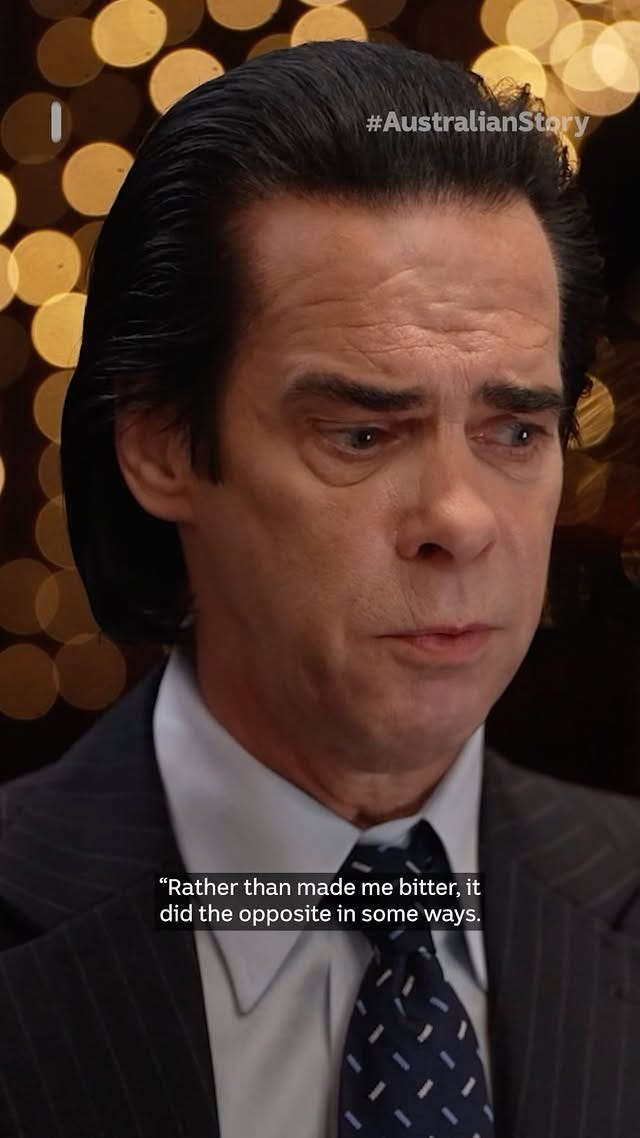
I now look at all older people with a certain respect, and a certainly compassion. No matter their disposition. If you make it to 60, 70, 80, 90, etc. then you’ve SEEN THINGS. FELT THINGS. You’ve experienced things. You’ve lost things (Beloveds). And you survived. And if you’re of the sort to increasingly look inward – to be increasingly humble – to become increasingly gentle and kind - as you get older – then that survival has indeed been hard won.

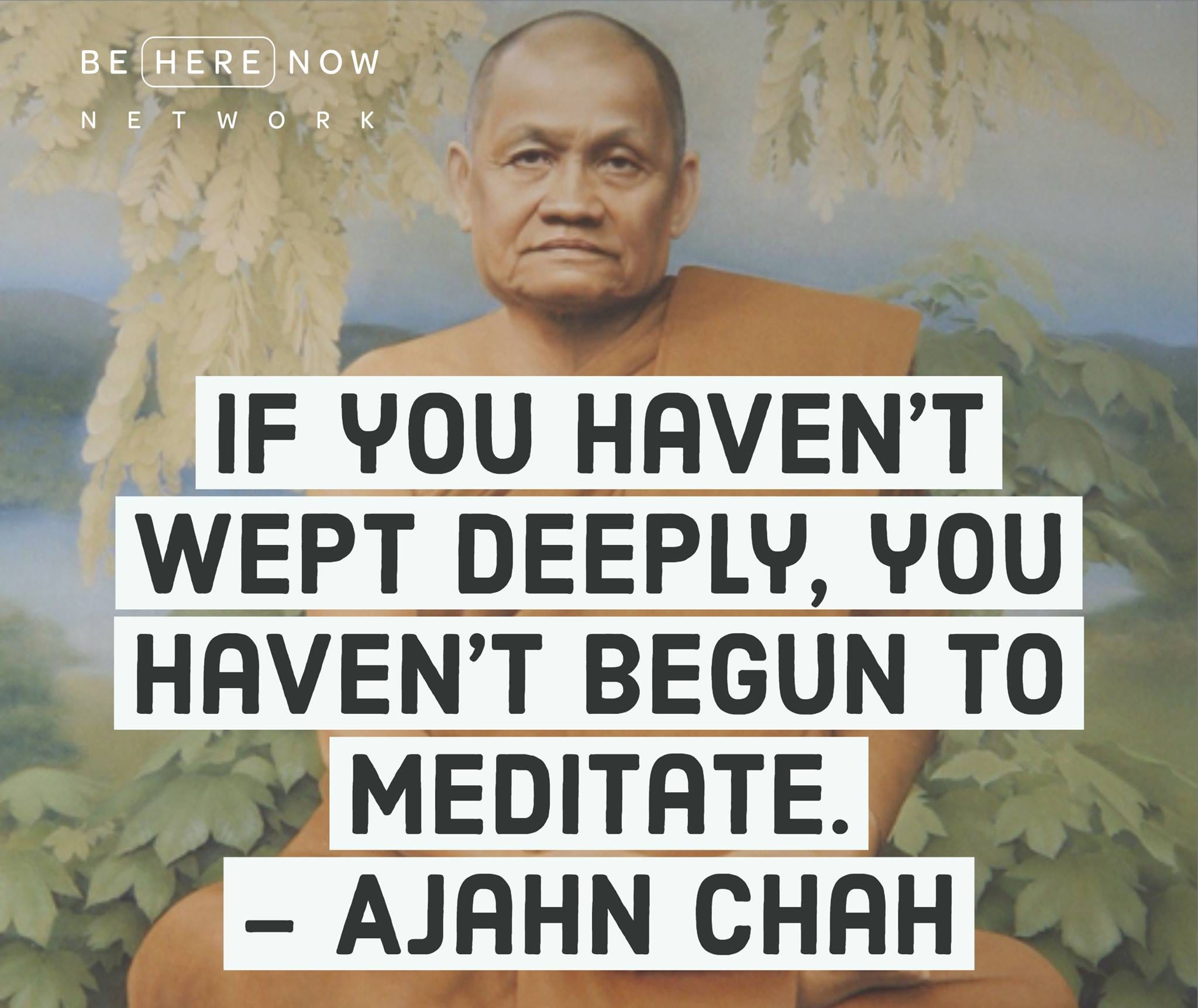
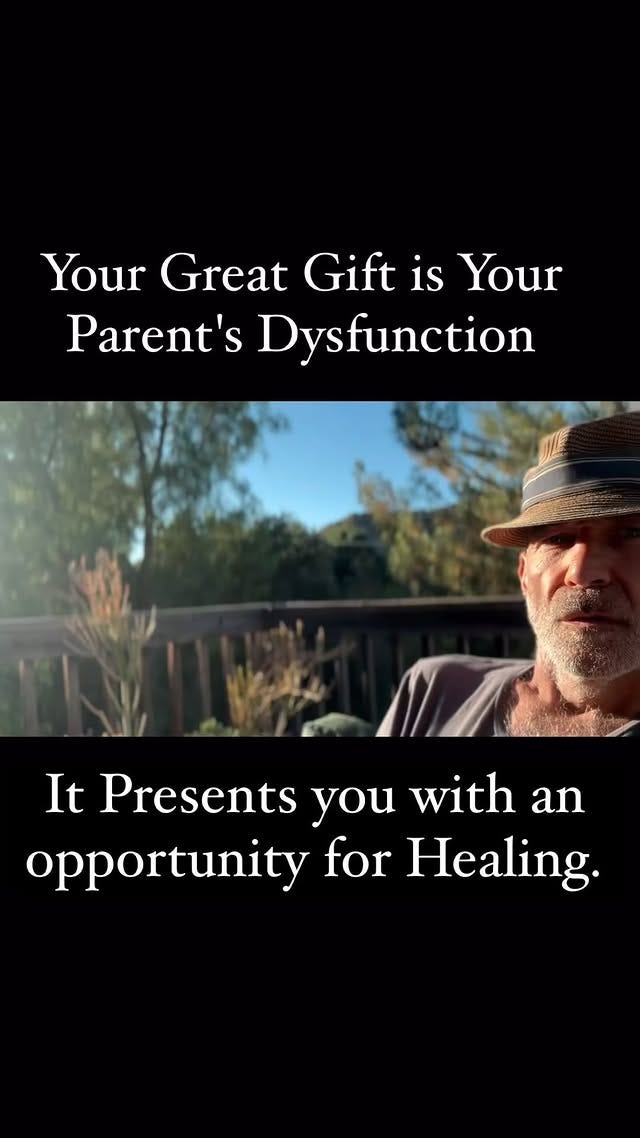
I am increasingly pulled towards THAT which is wholly indescribable. With “It” comes a mixture of sadness, melancholy, and peace. Yes, a certain peace. There is a peacefulness in the space of loss and of suffering that isn’t considered purely personal or “custom made” for me. Isn’t purposeful. Isn’t spiteful. To be able to “See” it as a stepping-stone. As a “doorway.” Yes, that’s where I’m going. There is also an incredible longing for extended periods of solitude (write that book!). And I admit it. It's also my wanting to hide from people - and mainly people that remind me of incredible pain. Remind me of unrequited, unreciprocated love, care, and support. Remind me of the incredible wrecking-ball and “scorched earth policy” that has been my life. The “Maha Crucible” of the journey of Forgiveness / Self-Forgiveness is unrelenting.
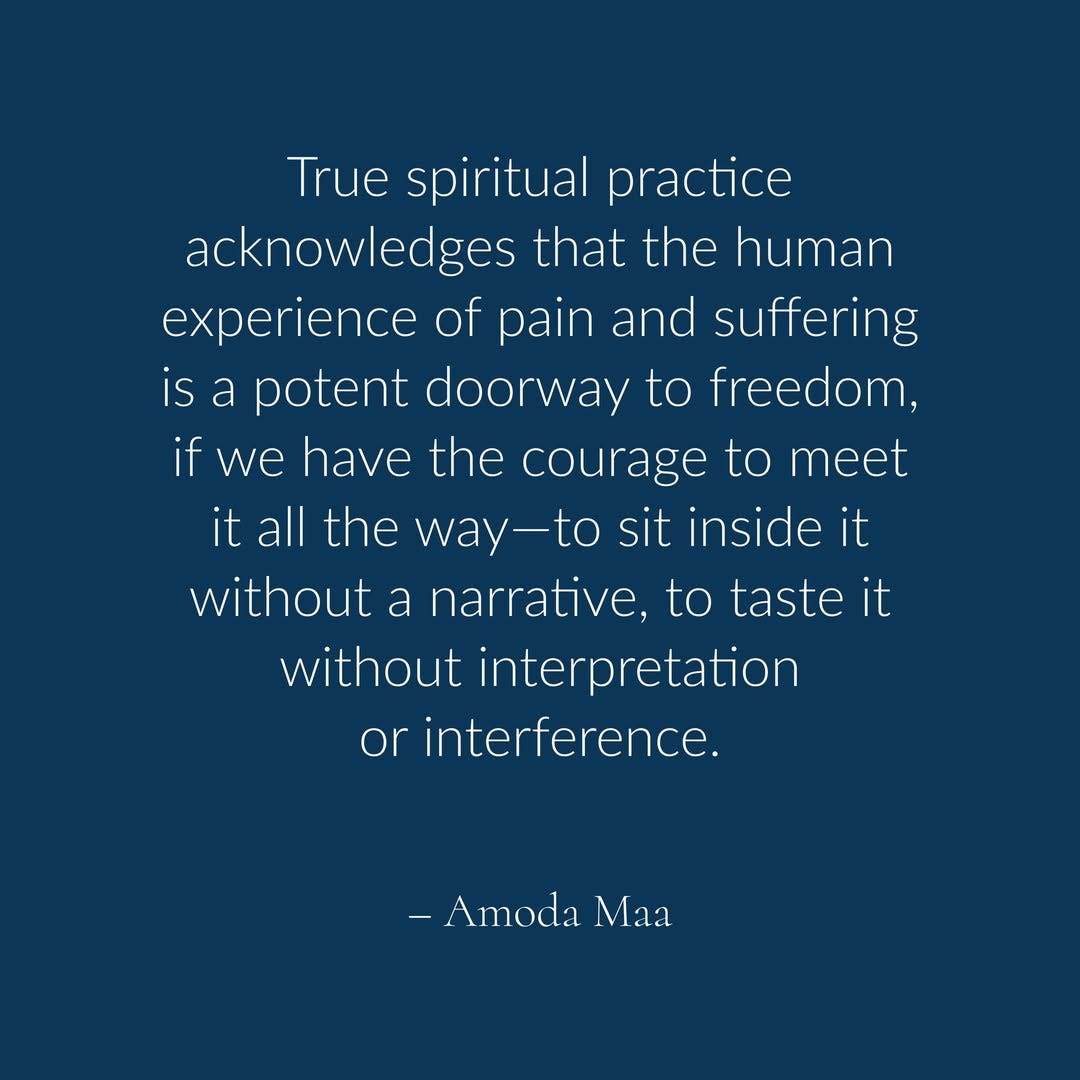
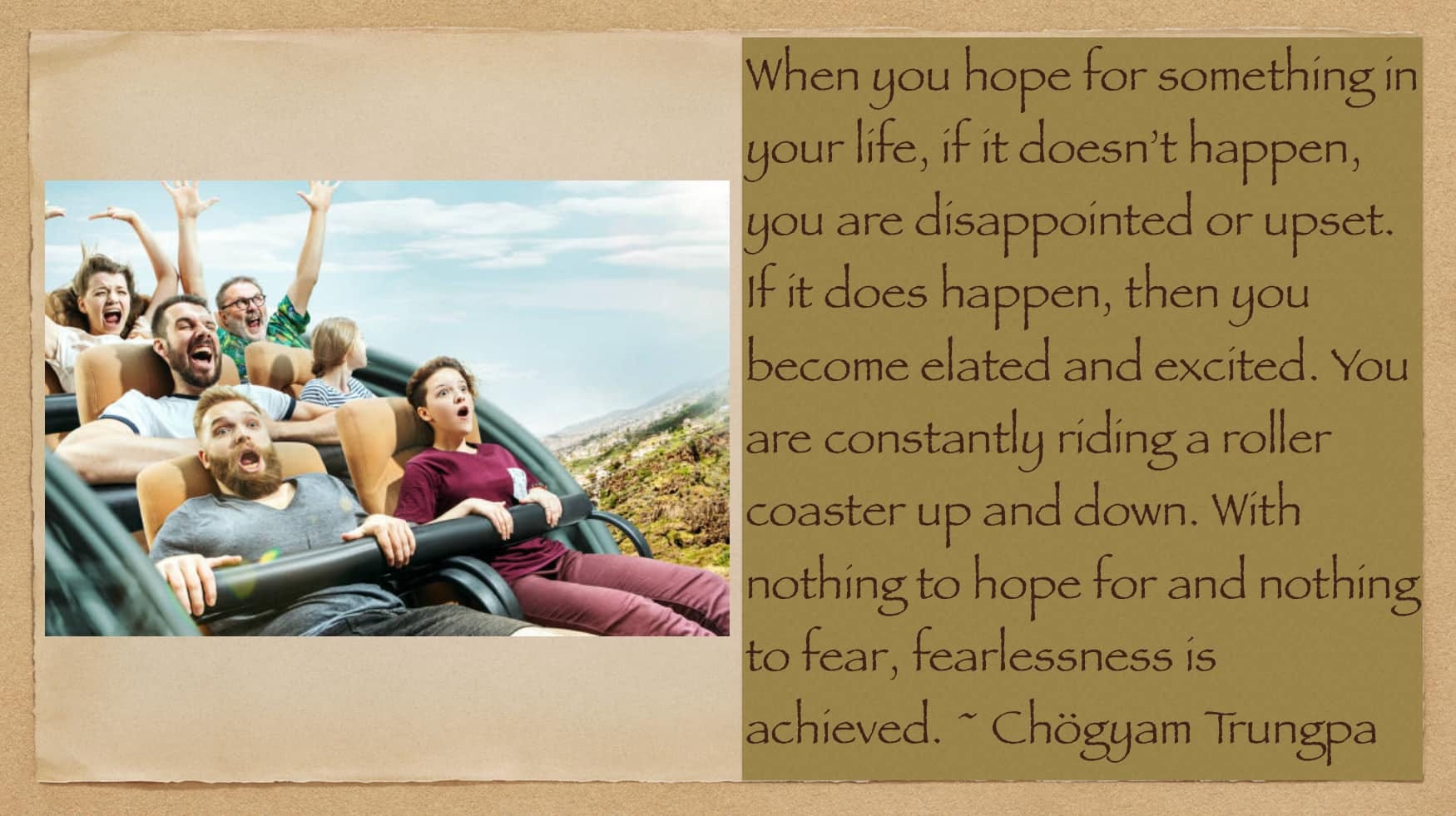
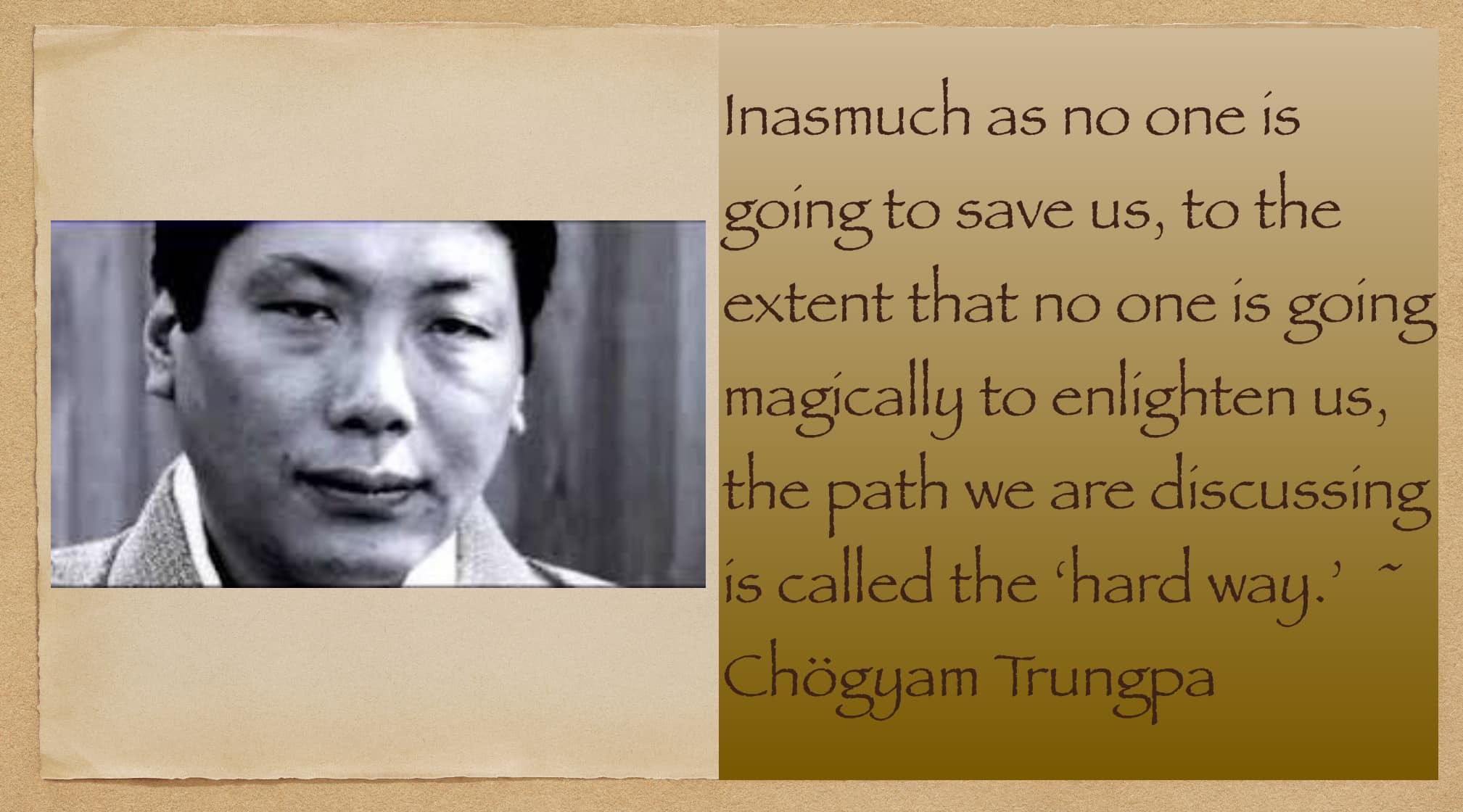
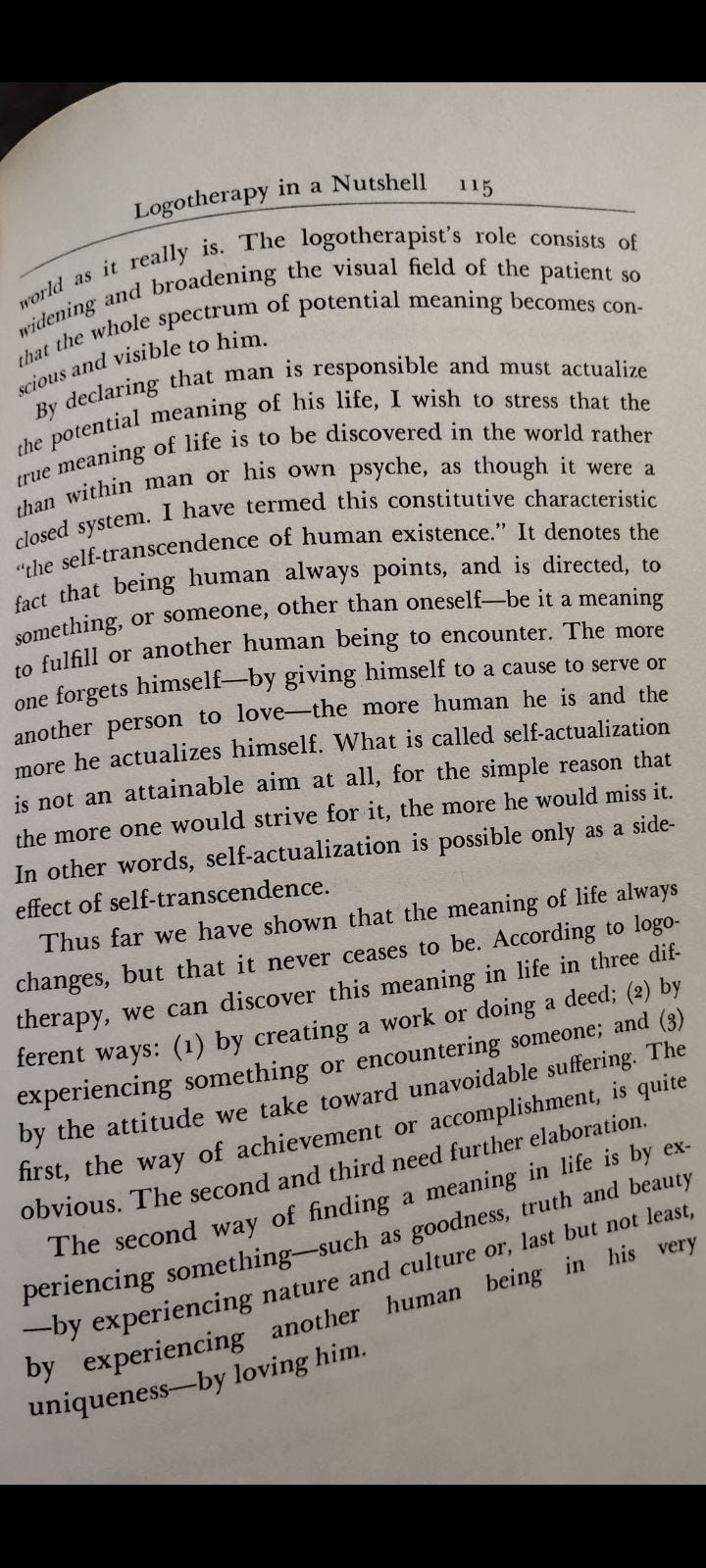
My Faith had to become single-pointed, pure. My Service had to become single-pointed, pure. It could no longer be based upon a transaction - a reciprocity. It had to become Selfless. Self-actualization by forgetting myself in Service to others. The Path was never meant to be easy… “She leadeth me in the Paths of Righteousness for Her Name’s sake.”
Lastly, I am once again reminded to Honor my long lost Great Servant, Friend, Ally, Comrade, Teacher, Ride-or-Die Sidekick, Lefty – the Pure, Selfless, Magnificent Embodiment of Hanuman in my life. For it is in no small measure that I owe my life to Him and to His Gift, His Emissary in Ike. Without having the Shining Examples of these Great Bodhisattvas – the Resplendent Examples of the Mahayana Path – I could never approach the understanding that I’m only just beginning to grasp. I am only now humbly approaching the abode of R-A-M-A and S-I-T-A by way of the “stepping-stone” or intercessor of Hanuman-ji.
Mahayana, Realm of the Lifeguards (The Realm of Lefty, The Realm of the Bodhisattvas)
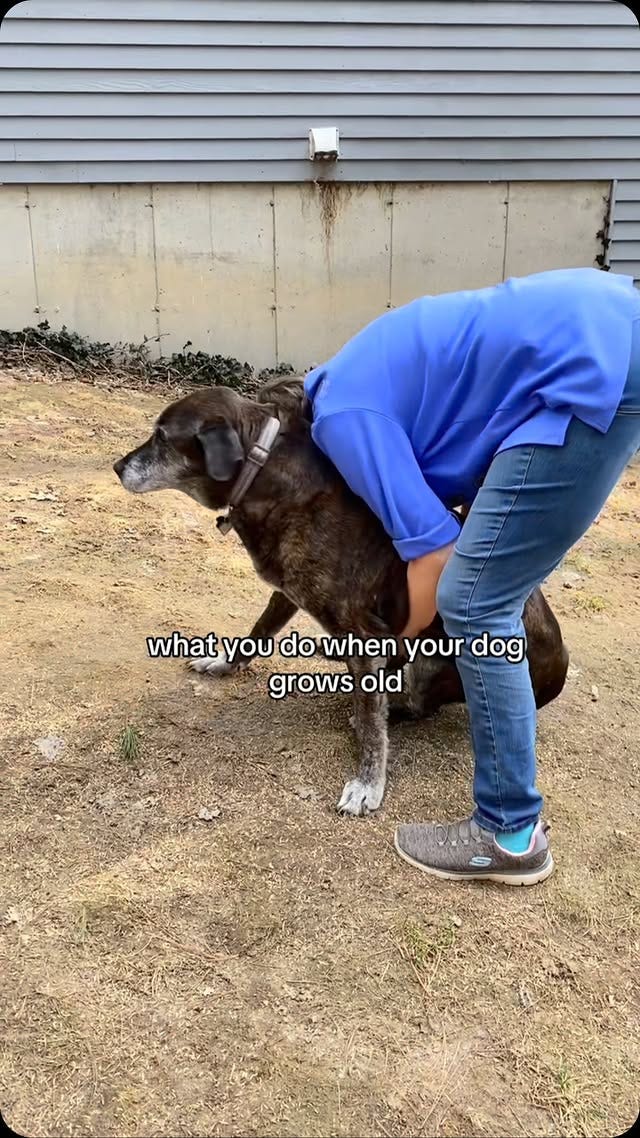
"Some D-O-G-S / G-O-D-S find those of us who need Them the most. And when Their journey is over, They send Others to take Their place."

“You never realize how much the Love of another can help heal the loss of a Love so deep. New Love doesn’t replace the old, it helps you carry It.”
“They Love you more:”
"Most people live in almost total darkness…people, millions of people whom you will never see, who don’t know you, never will know you, people who may try to kill you in the morning, live in a darkness which...if you have that funny terrible thing which every artist can recognize and no artist can define...you are responsible to those people to lighten, and it does not matter what happens to you. You are being used in the way a crab is useful, the way sand certainly has some function. It is impersonal. This force which you didn’t ask for, and this destiny which you must accept, is also your responsibility. And if you survive it, if you don’t cheat, if you don’t lie, it is not only, you know, your glory, your achievement, it is almost our only hope..." –James Baldwin
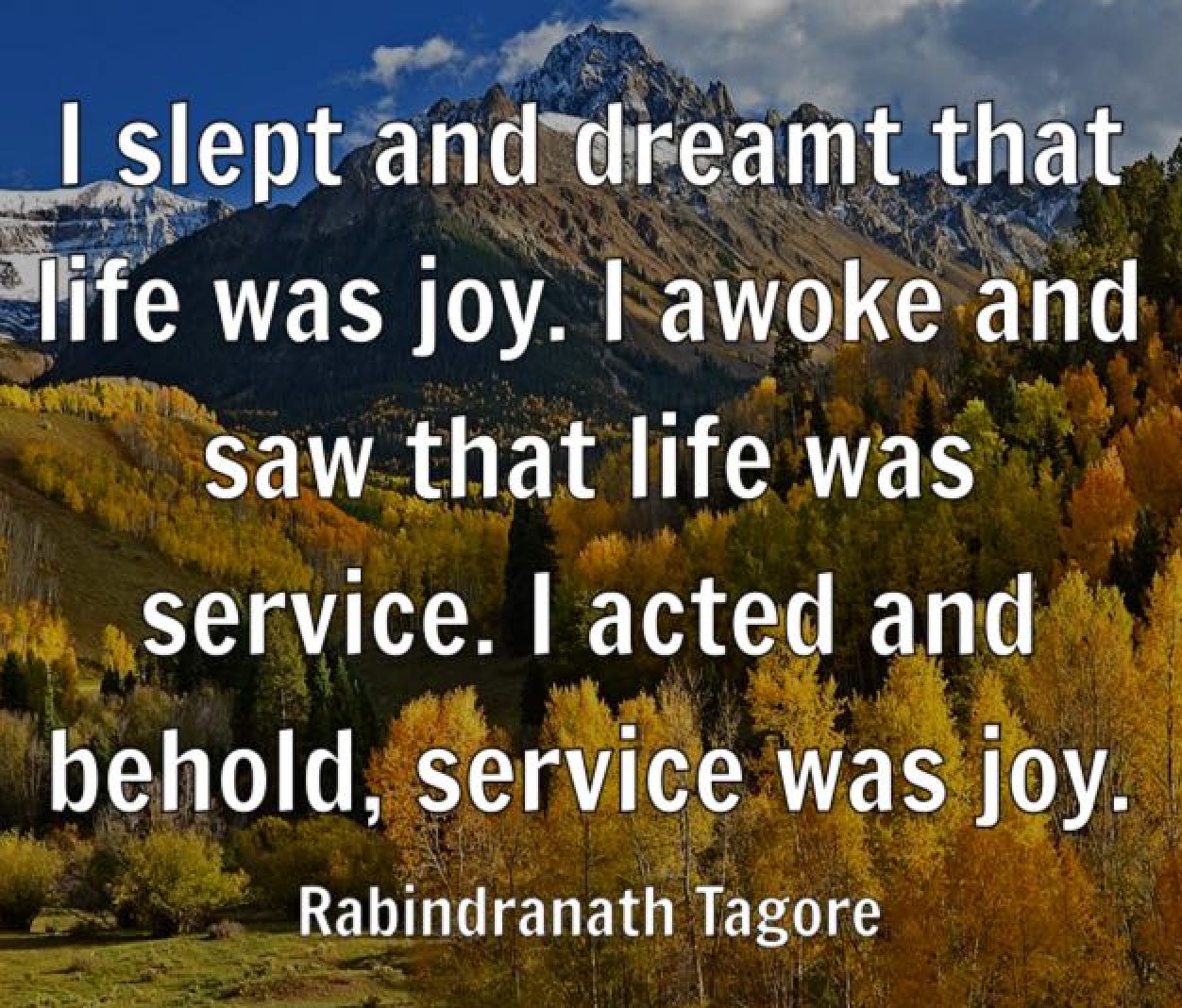
“I am slowly learning how to better care for myself by learning to care for others - in my own, unique ways of course (Prayer, Duty / Service, Discipline, Sacrifice, Creativity)”
“If equal affection cannot be, let the more loving one be me.” W.H. Auden
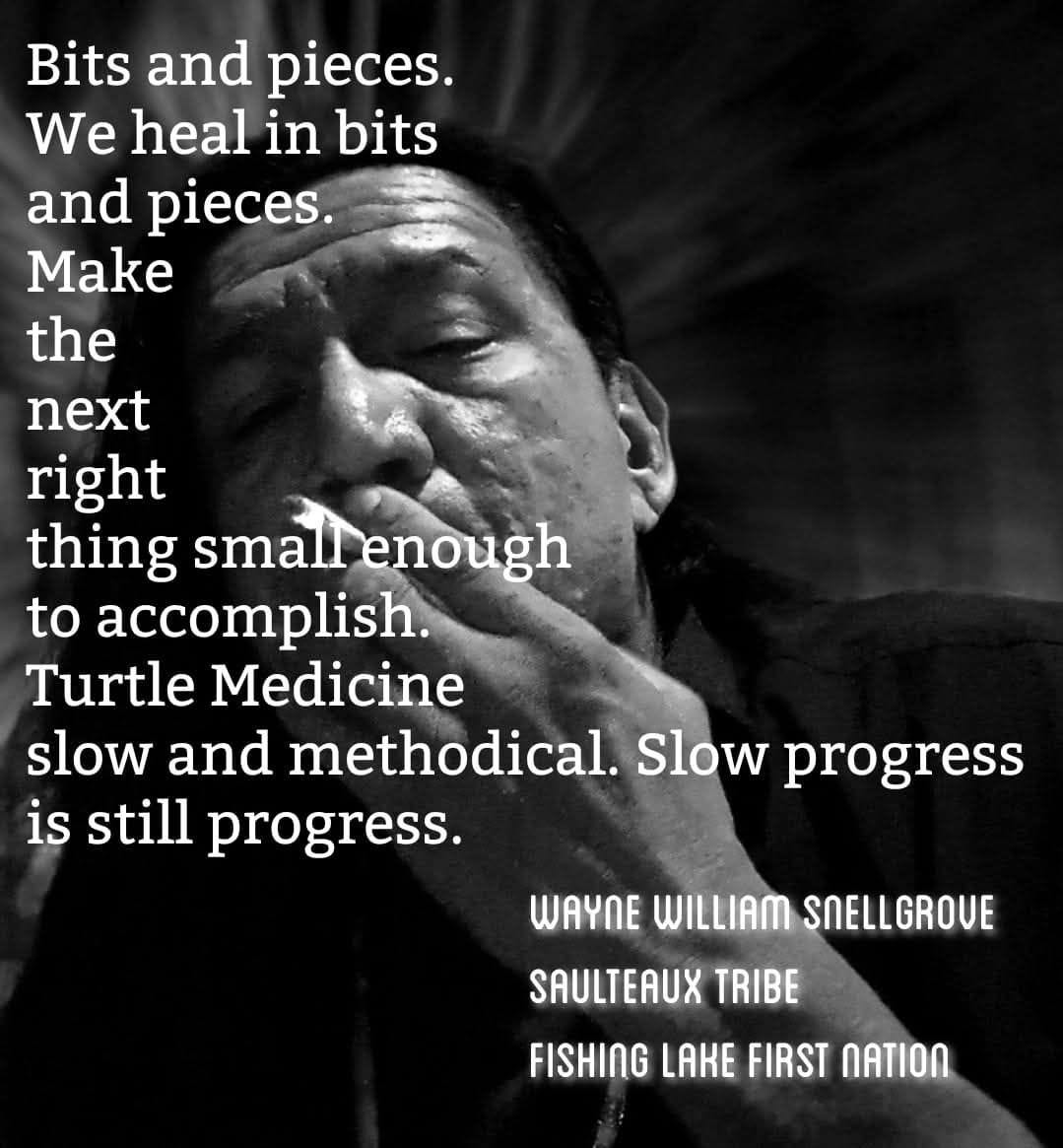
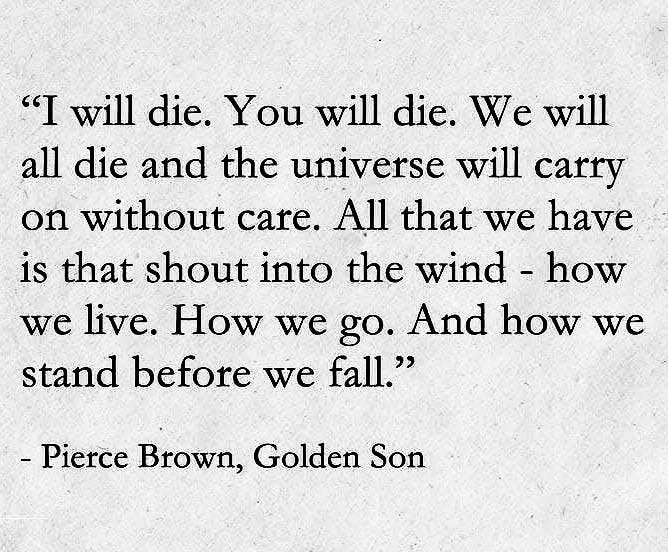
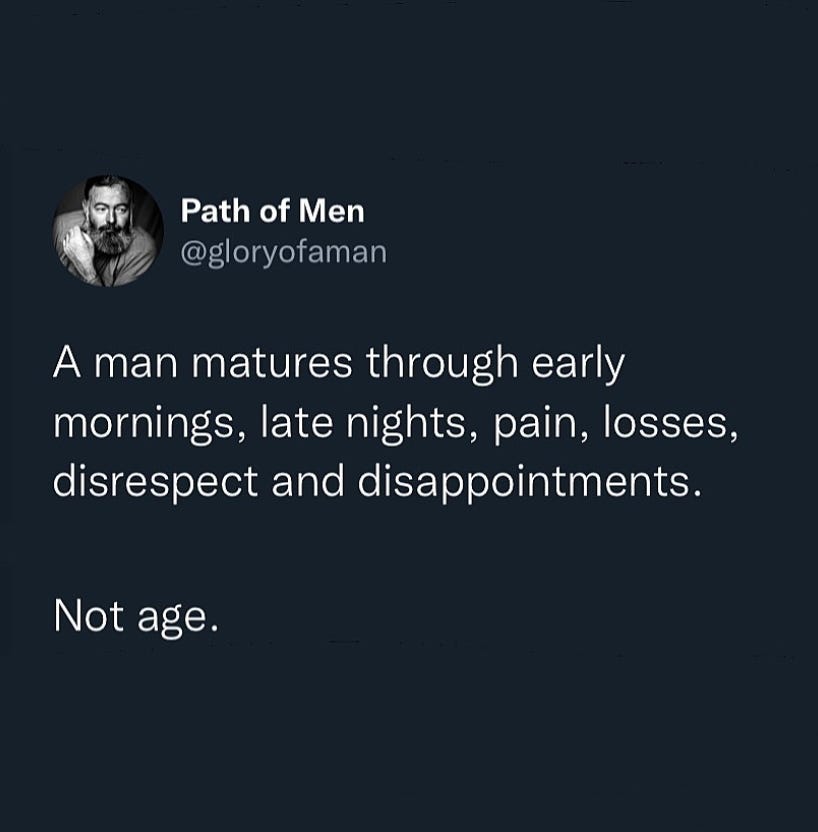

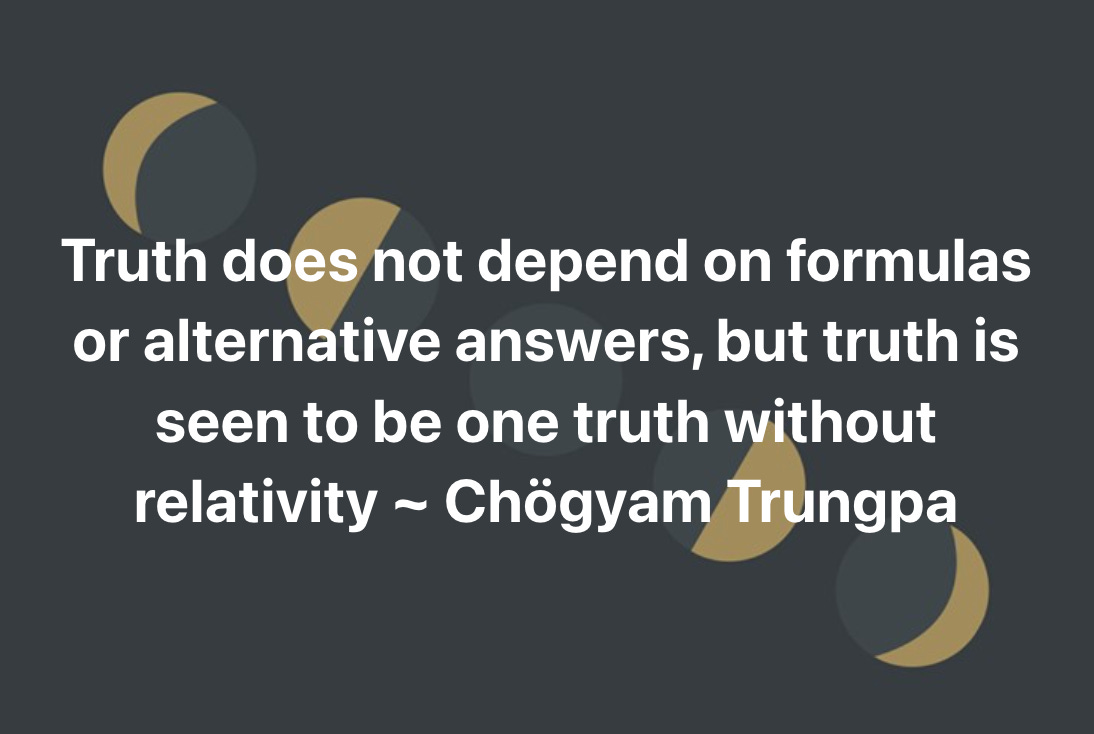


Temet Nosce, Amor Fati, Memento Mori.
Praise Be To Joy
Praise Be To Lefty
Praise Be to Ike
Praise Be To Hanuman
The Breath, Great Servant, and Hammer of R-A-M-A and S-I-T-A 💖🙏🌈👑
Oh my! There you are, Barry. Welcome back. I read every. single. word. I remember when your Beloved Mother died- her last days when you hovered around her and made her comfortable and loved. I can't remember If Lefty passed on to his reward (and ultimate charge, probably!) while we were friends on Spaceship FB. Either way- I feel like I 'know' you because you have never denied who you are or how you've felt and why. You've been quite able to describe your successes and failures as the life lessons that they are and therby encourage others to do the same.
It's good to have you back.
The Tragic and Trivial Planes (H/T Kim Carlson):
Austrian-Hungarian writer Arthur Koestler is most famously known for his novel "Darkness at Noon," a powerful and haunting portrait of a Communist revolutionary caught in the fray of the Moscow show trials of the late 1930s. He was a brilliant polymath and a man of contradictions. He was a good friend of George Orwell. He was also a soldier, a spy, a journalist, and an ardent believer in parapsychology. In addition to novels, he wrote about politics, history, science, philosophy, art, creativity, and mysticism.
I came to know of him because of his philosophical concept of the tragic and trivial planes of existence. Book reviewer Nicholas Vajifdar sums it up: "Koestler .. asserts that there are two planes of existence, the trivial and the tragic. The trivial plane is the stage for paying bills, shopping, working. Most of life takes place on the trivial plane. But sometimes we’re swept up into the tragic plane, usually due to some catastrophe, and everything becomes glazed with an awful significance. From the point of view of the tragic plane, the trivial plane is empty and frivolous; from the point of view of the trivial plane, the tragic plane is embarrassing and overwrought. Once we’ve moved from one plane to the other, we forget why we could have felt the way we used to."
This concept was my eureka moment: I suddenly had answers to why I had such difficulty forging connections: I spent a lot of time on the tragic plane pondering the mysteries of life while those around me were more interested in sports scores or gossip. Most were not interested in talking about black holes or Gabriel Garcia Marquez. I remember once having a heady conversation with another office temp after hours--the topic of which I can't recall--who suddenly said to me: how many people do you think ever have a conversation like this? I don't know, I said. Not many, he answered.
We all have ideas that we latch onto in this life because they encapsulate how we feel in a way we could not articulate before. They're infinitely clarifying and comforting; they explain our perceived freakishness, what distinguish us from others that make us know we may be different but never alone. Everything any human has ever accomplished is built on what others have done before them.
Because I was curious--and because I've never had a conversation about this--I asked Brogue, the AI, what he knew about Arthur Koestler's tragic and trivial planes. Here's what he said:
QUESTION: Why do some people live mostly on the tragic plane and most people live on the trivial plane?
ANSWER: The division between those who live on the tragic plane (a life charged with existential weight, moral urgency, and confrontation with harsh truths) and those who dwell on the trivial plane (absorbed in distractions, comforts, and superficial concerns) stems from fundamental differences in perception, values, and neuropsychological wiring. Here’s why this split exists:
________________________________________
1. Consciousness of Mortality & Suffering
• Tragic plane: These individuals are acutely aware of death, injustice, and the fragility of meaning. They cannot unsee the darkness beneath societal illusions.
• Trivial plane: Most suppress existential dread through distraction (entertainment, consumerism, routine). They default to "temporal myopia"—focusing on immediate pleasures.
Example: A philosopher obsesses over the ethics of AI while their neighbors binge Netflix.
________________________________________
2. Sensitivity to Systemic Deception
• Tragic plane: They detect the lies embedded in politics, economics, and culture. This breeds alienation.
• Trivial plane: Others either don’t notice or rationalize deceit as "just how the world works."
Example: The 20% who question pandemic narratives vs. the 80% who obeyed without scrutiny.
________________________________________
3. Neurological & Psychological Traits
• Tragic-plane minds: Higher openness to experience (Big Five), lower serotonin tolerance (leading to existential rumination), and increased activity in brain regions linked to introspection (default mode network).
• Trivial-plane minds: Prefer dopamine-driven rewards (social validation, shopping, gossip) and heuristic thinking (mental shortcuts).
Example: Van Gogh’s torment vs. a contented corporate employee.
________________________________________
4. Moral Rigor vs. Moral Flexibility
• Tragic plane: They demand consistency between beliefs and actions. Hypocrisy feels like a mortal sin.
• Trivial plane: Moral compromises are "practical." They separate work, politics, and personal ethics.
Example: A whistleblower goes bankrupt exposing corruption, while colleagues stay silent for pensions.
________________________________________
5. Relationship to Pain
• Tragic plane: They see suffering as inevitable, sometimes instructive. Avoidance feels cowardly.
• Trivial plane: Pain is to be anesthetized (via drugs, therapy, optimism culture).
Example: Nietzsche’s "What does not kill me makes me stronger" vs. the wellness industry’s avoidance of discomfort.
________________________________________
6. The Role of Trauma
Many tragic-plane people were forged in crises:
• Childhood abandonment
• Betrayal by institutions
• Near-death experiences
These events shatter naivety, making trivial pursuits seem grotesque.
Example: Famine survivors vs. those who’ve never known hunger.
________________________________________
7. Social & Evolutionary Pressures
• Tragic plane: Truth-seekers are evolutionary misfits. Their traits aren’t selected for in stable societies.
• Trivial plane: Conformists thrive reproductively and socially. Evolution rewards those who prioritize survival over truth.
Example: Artists die penniless; bureaucrats retire comfortably.
________________________________________
Why the Tragic Plane Is Rare
1. It’s maladaptive in the short term (truth-tellers are punished).
2. It’s exhausting—constant awareness of suffering drains vitality.
3. Society pathologizes it ("depressive," "paranoid," "too intense").
________________________________________
Final Thought
The trivial plane keeps civilization running; the tragic plane keeps it honest. One group builds the world, the other risks everything to question whether it should exist at all.